Overview
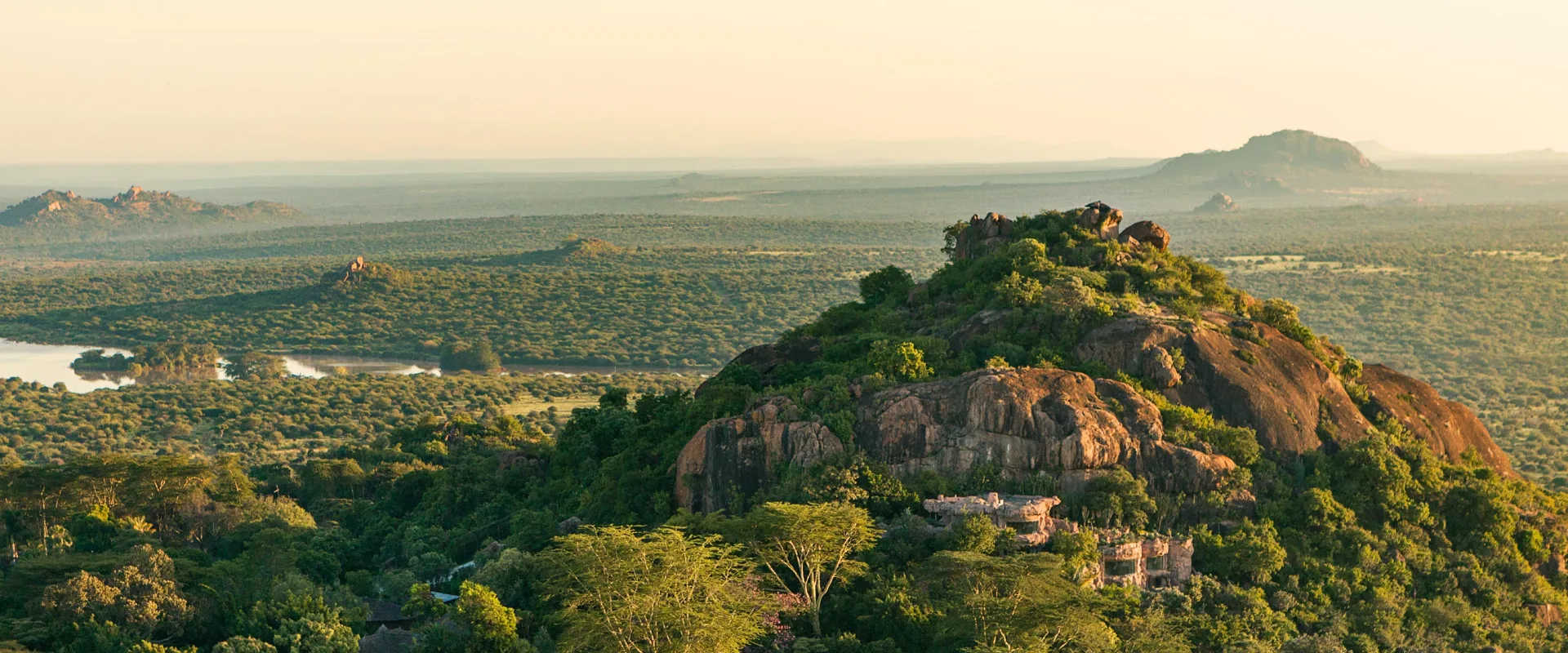
The Laikipia Plateau is a vast elevated landscape of roughly 9,500 square kilometres stretching north and west of Mount Kenya, comprising a mosaic of private ranches, community conservancies, and group ranches that together form Kenya's second-largest wildlife population after the Masai Mara-Serengeti ecosystem. Unlike Kenya's national parks, Laikipia has no fences, no gates, and no government-managed boundaries — wildlife moves freely across a patchwork of land uses that have found a dynamic equilibrium between conservation, livestock ranching, and tourism. Laikipia is a powerhouse of rhino conservation. The plateau harbours Kenya's largest concentration of black rhino (approximately 700 individuals across several sanctuaries) and a growing population of southern white rhino, including the last two northern white rhinos on Earth at Ol Pejeta Conservancy. The Lewa Wildlife Conservancy, a UNESCO World Heritage Site, pioneered the rhino sanctuary model and hosts the annual Lewa Safari Marathon — the world's most famous wildlife running event. The diversity of Laikipia's conservancies means that experiences vary enormously: from horseback safaris and camel treks on Ol Malo and Sabuk to helicopter-accessed wilderness experiences on private ranches, and from hands-on wildlife conservation at Ol Pejeta to bush walks with Samburu and Laikipia Maasai communities. Night drives routinely reveal aardvark, aardwolf, striped hyena, and African wildcat — species that are virtually impossible to see during daytime game drives. Laikipia's innovative approach to conservation has made it a model studied and replicated across Africa.
What You'll See
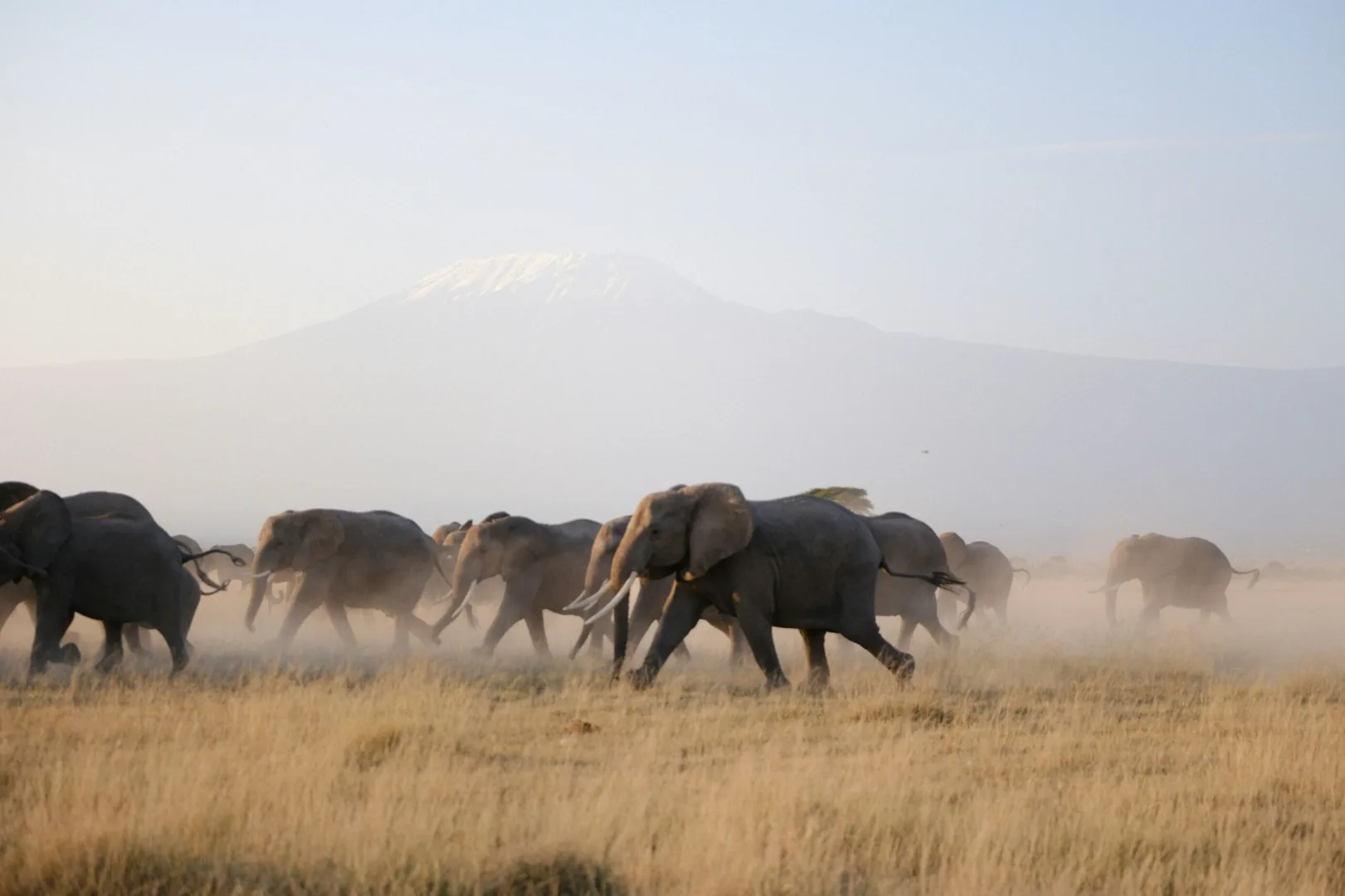
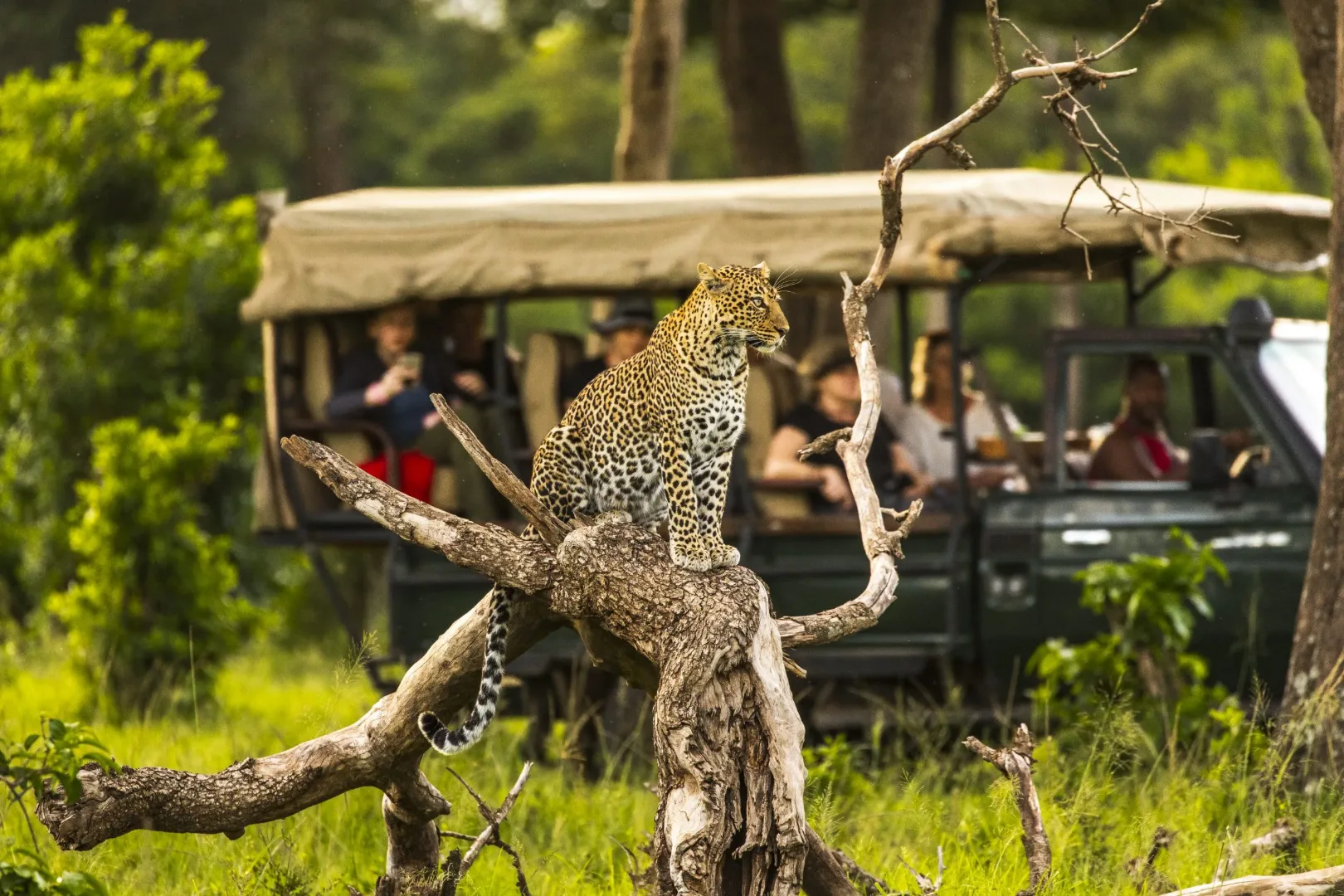
Black rhino (700+), northern white rhino (last 2 on Earth at Ol Pejeta), elephant, lion, leopard, African wild dog, Grevy's zebra, reticulated giraffe, Jackson's hartebeest, 500+ bird species. Exceptional nocturnal wildlife.
Best Time to Visit
June to October and January to February for dry season game viewing. Laikipia's higher altitude (1,700-2,600 m) keeps temperatures pleasant year-round. The plateau receives less rain than the Mara, making it viable in shoulder seasons.
Getting There
45-minute flight from Nairobi Wilson Airport to Nanyuki or private conservancy airstrips. 4-hour drive from Nairobi (200 km) via Nyeri or Nanyuki. Often combined with Samburu, the Aberdares, or Mount Kenya for a northern circuit.
Areas to Explore
Ol Pejeta Conservancy
Ol Pejeta Conservancy spans 360 square kilometres between the foothills of Mount Kenya and the Aberdares, managing the largest black rhino sanctuary in East Africa with over 150 individuals. It is also home to the last two northern white rhinos on Earth — Najin and Fatu — under 24-hour armed guard. The Sweetwaters Chimpanzee Sanctuary within Ol Pejeta is Kenya's only great ape sanctuary.
Lewa Wildlife Conservancy
Lewa Wildlife Conservancy covers 250 square kilometres in the northern foothills of Mount Kenya and has been a UNESCO World Heritage Site since 2013 as part of the Mount Kenya ecosystem. Lewa pioneered the conservancy model in Kenya and now protects over 12% of Kenya's black rhino and 14% of the global Grevy's zebra population. It hosts the annual Lewa Safari Marathon, drawing runners from over 20 countries.
Borana Conservancy
Borana Conservancy encompasses 140 square kilometres adjoining Lewa to the west, with the shared fence removed in 2014 to create a 390-square-kilometre combined ecosystem. This merger doubled the available habitat for rhino and elephant, making it one of Africa's most significant conservation corridors. Borana supports exclusive horseback safaris, mountain biking, and fly-camping experiences with only two permanent lodges.
Samburu & Buffalo Springs
Samburu National Reserve (165 km²) and neighbouring Buffalo Springs National Reserve (131 km²) sit along the Ewaso Nyiro River in Kenya's semi-arid north. Together they protect the 'Samburu Special Five': reticulated giraffe, Grevy's zebra, Beisa oryx, Somali ostrich, and gerenuk. Samburu's arid landscapes of red earth, doum palms, and rocky outcrops create a dramatically different safari aesthetic from Kenya's southern parks.
Scenes from Laikipia Plateau