Overview
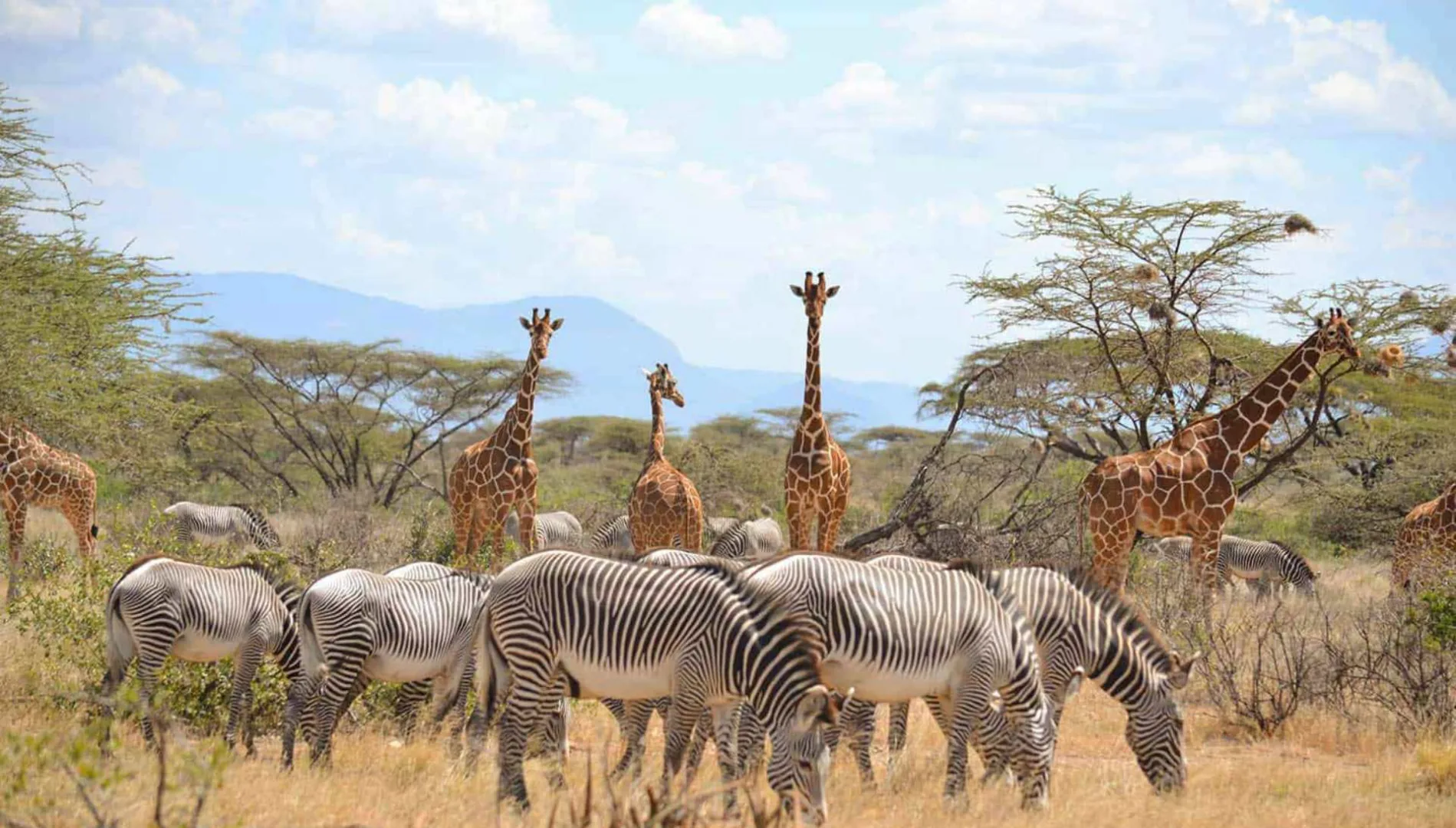
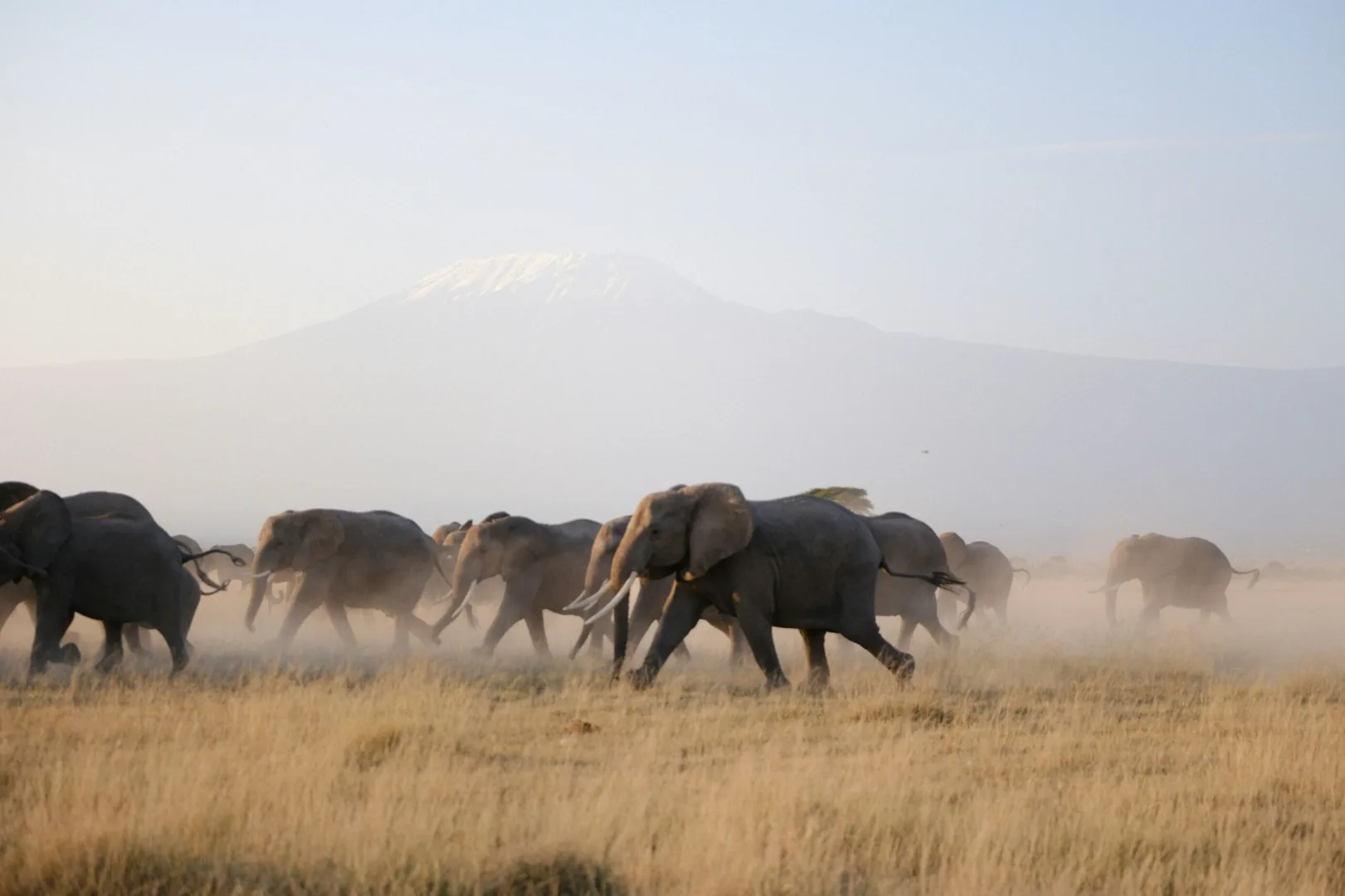
Samburu National Reserve is where the familiar Kenyan safari gives way to something genuinely different. This semi-arid reserve in Kenya's northern frontier hosts five species found nowhere else on the standard safari circuit: the reticulated giraffe (with its geometric coat pattern), Grevy's zebra (the world's most endangered equid), Beisa oryx, gerenuk (the giraffe-gazelle that browses standing on its hind legs), and the Somali ostrich. As Kenya specialists, we consider Samburu essential for anyone who has already experienced the Mara and wants to expand their understanding of Kenyan wildlife diversity. The Ewaso Ng'iro River, which bisects the reserve, creates a dramatic oasis in the arid landscape — doum palms line its banks, crocodiles bask on sandbanks, and elephant herds wade across at established crossing points. The Samburu people themselves add cultural depth unavailable in southern Kenya, with genuine community interactions and warrior-guided bush walks. Saruni Samburu and Elephant Bedroom Camp offer exceptional guiding quality, while budget options exist at the park's public campsites.
What You'll See
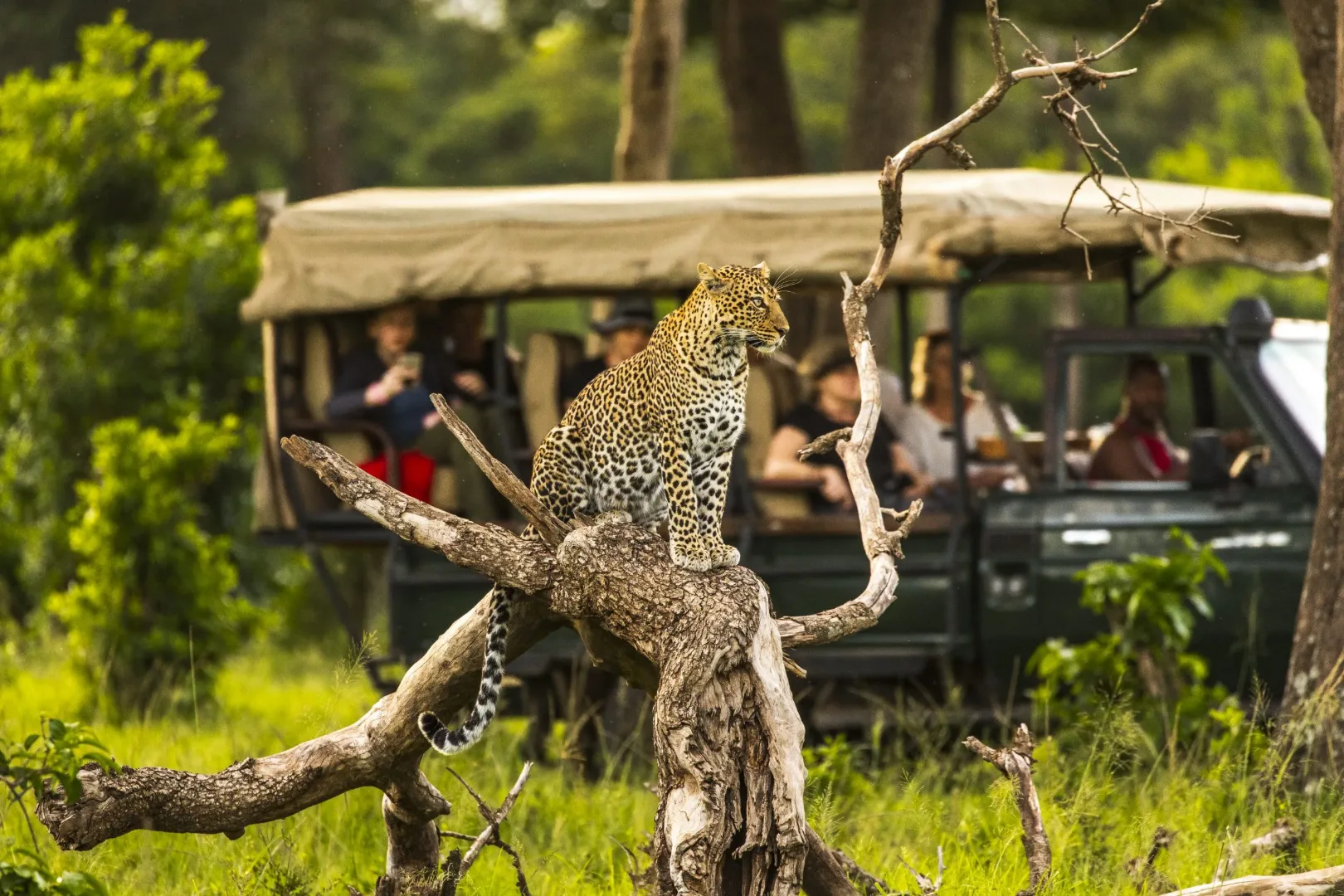
The Samburu Special Five (reticulated giraffe, Grevy's zebra, Beisa oryx, gerenuk, Somali ostrich), plus lion, leopard, elephant, wild dog (occasional), 450+ bird species.
Best Time to Visit
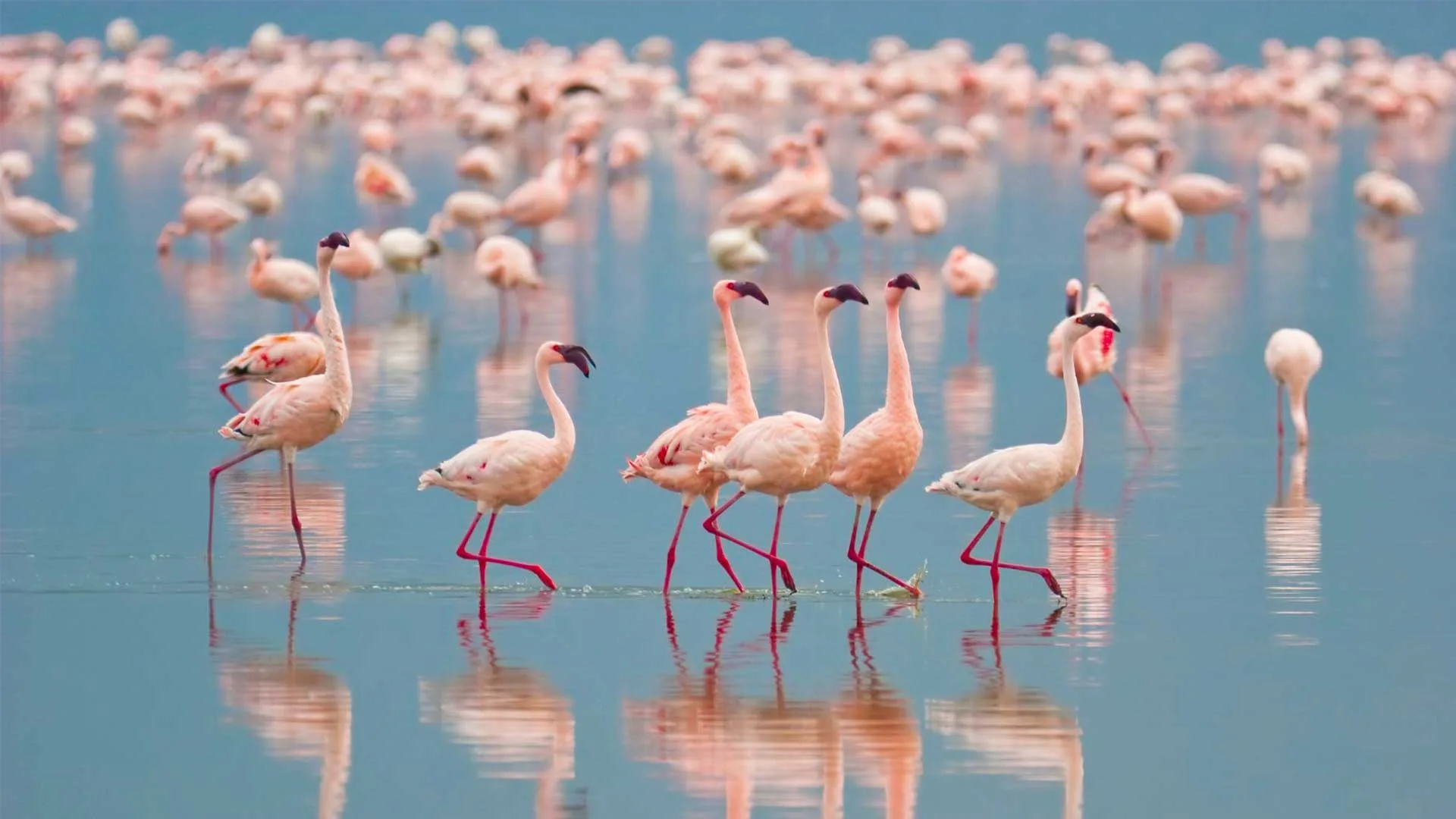
June-October for dry season: wildlife concentrates along the river, making sightings easy and predictable. September is peak for migrating elephants. January-February for green season with migratory birds.
Getting There
5-hour drive from Nairobi via Nanyuki, or 1-hour charter flight to Samburu airstrip from Wilson Airport. Combines well with Laikipia conservancies and Mount Kenya.
Scenes from Samburu National Reserve