Overview
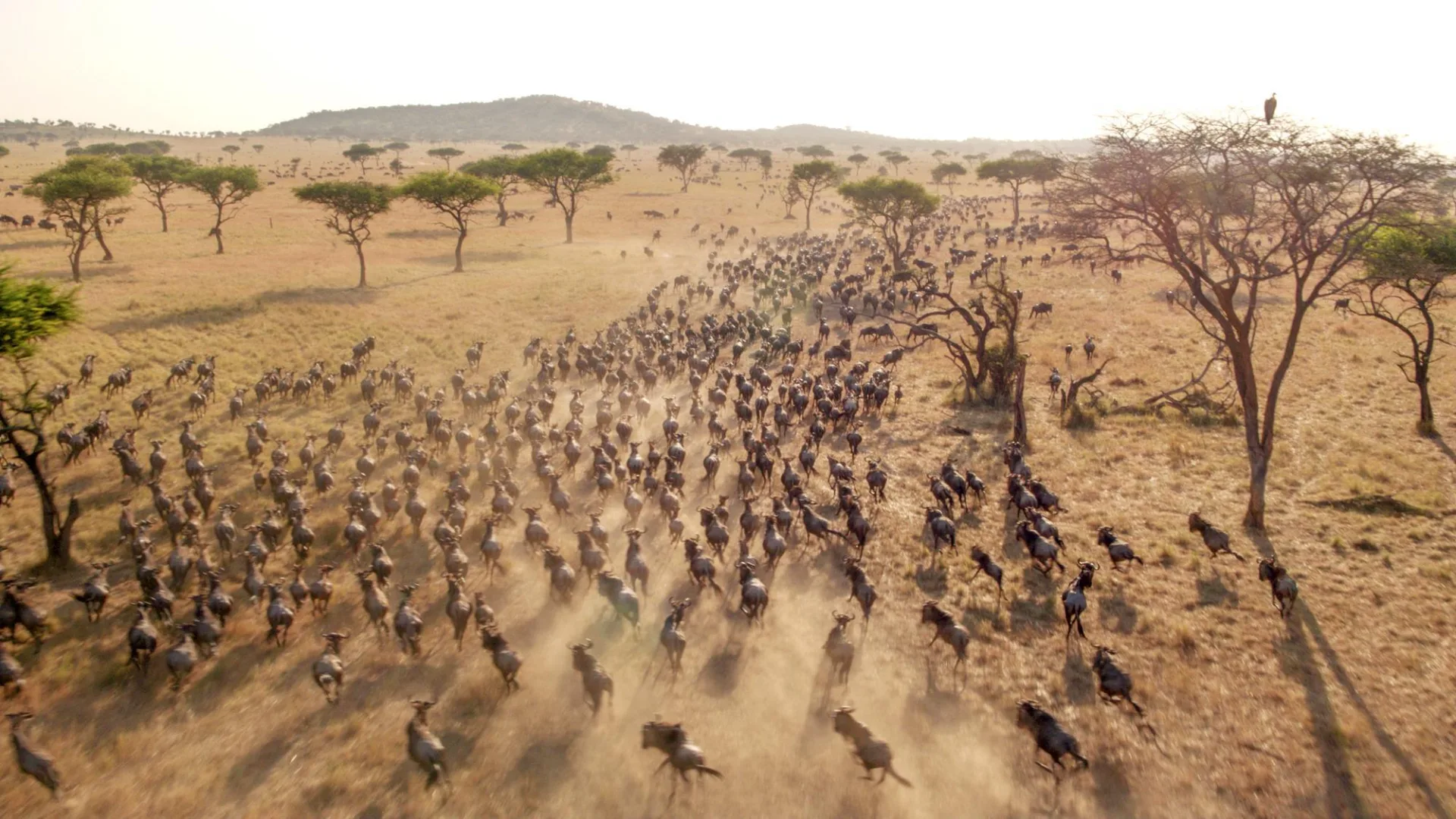
The Masai Mara National Reserve and its surrounding conservancies represent the pinnacle of Kenyan safari. As Kenya specialists who have guided thousands of travellers through the Mara ecosystem, we know that the reserve's 1,510 square kilometres tell only part of the story. The real magic lies in the private conservancies — Olare Motorogi, Mara North, Naboisho, and Ol Kinyei — which collectively add over 100,000 hectares of exclusive traversing rights where vehicle numbers are strictly limited and off-road driving is permitted. This conservancy model, pioneered in the Mara and now replicated across Kenya, ensures that income from tourism directly benefits Maasai landowners while protecting critical wildlife corridors. The Mara's lion population of approximately 850 individuals is one of the best-studied in Africa, and its resident prides are so habituated to vehicles that behavioural observation is extraordinary. Between July and October, the Great Migration's Mara River crossings add a layer of drama unmatched anywhere on the continent.
What You'll See
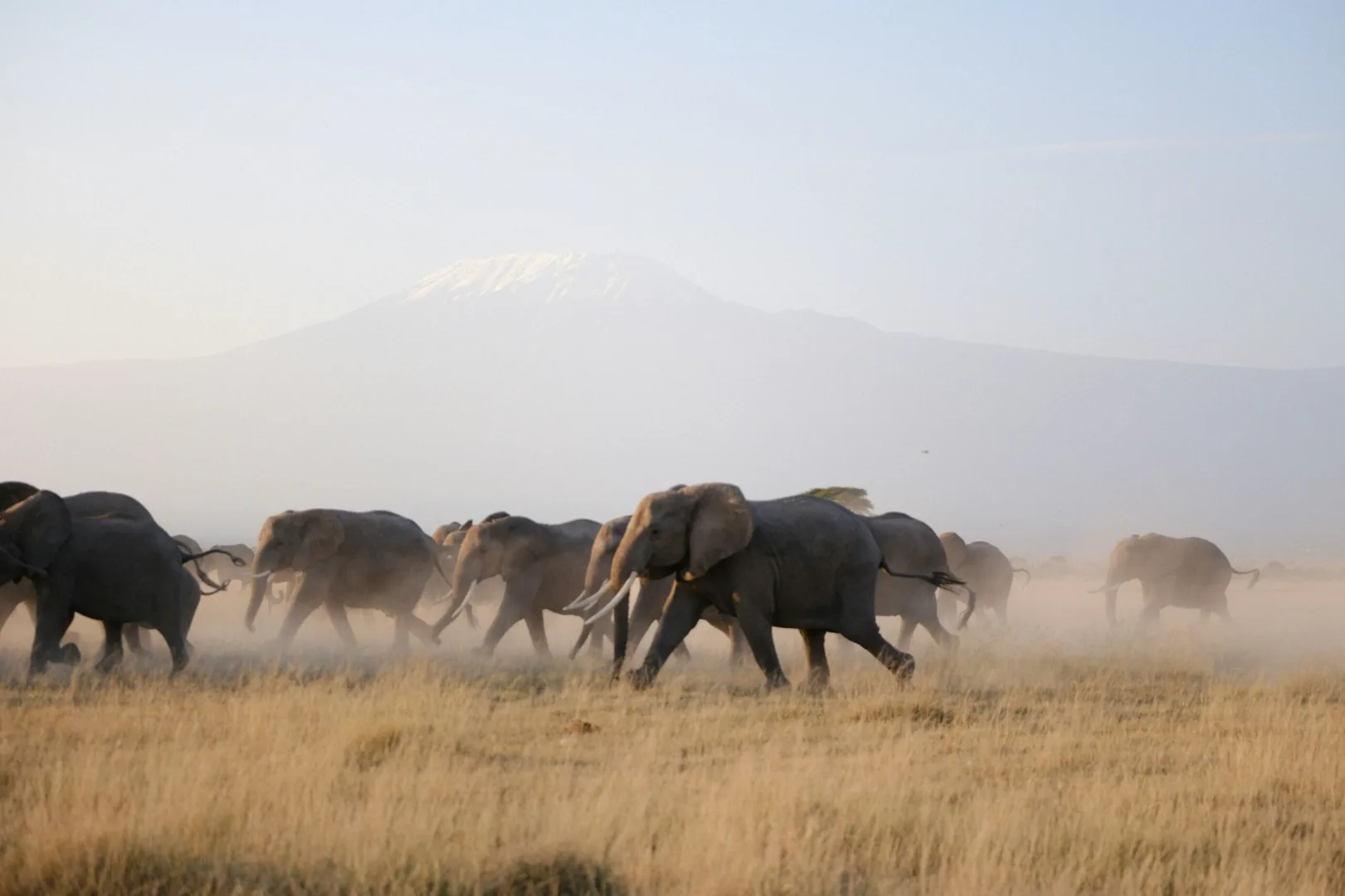
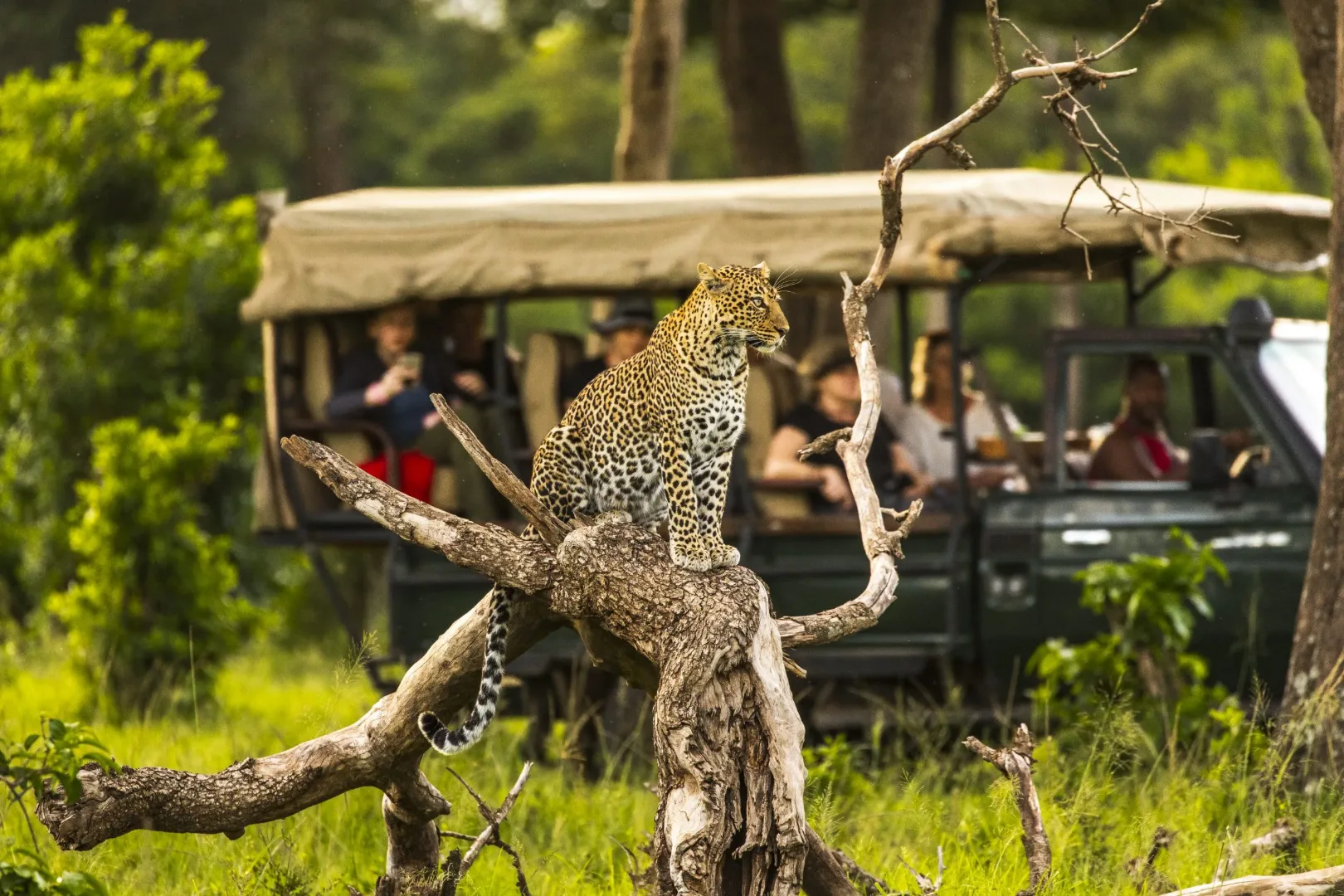
850+ lions, 200+ leopards, cheetah (one of Africa's highest densities), elephant, buffalo, hippo, 470+ bird species. Conservancies offer night drives revealing leopard, aardvark, and bush baby.
Best Time to Visit
July-October for Great Migration river crossings (peak: August-September). January-February for excellent resident game and green season photography. March and November for lowest rates with good wildlife.
Getting There
45-minute flight from Nairobi Wilson Airport to Mara airstrips (Keekorok, Musiara, Ol Kiombo, Olare). Road transfer from Nairobi takes 5-6 hours via the scenic Rift Valley escarpment.
Areas to Explore
Mara Triangle
The Mara Triangle occupies the western third of the Masai Mara National Reserve, separated from the main reserve by the Mara River and managed by the Trans Mara County Council in partnership with the Mara Conservancy. This management arrangement has produced noticeably better road maintenance, stricter vehicle limits, and more effective anti-poaching patrols than some parts of the main reserve, resulting in a safari experience that feels more controlled and exclusive. The Triangle is a prime location for witnessing Great Migration river crossings, as several of the most reliable crossing points — including the famous Main Crossing and Serena Crossing — lie along the Mara River within or adjacent to the Triangle. The terrain is characterised by sweeping grassland ascending to the Oloololo (Siria) Escarpment, whose cliffs provide panoramic views across the entire Mara ecosystem. Lion prides, cheetah coalitions, and large elephant herds are regular sightings, while the riverine forest along the Mara supports excellent leopard populations. Access is via a single bridge, which limits vehicle numbers and preserves the area's tranquil atmosphere.
Mara North Conservancy
Mara North Conservancy is a 74,000-acre private wildlife conservancy directly north of the Masai Mara National Reserve, owned by approximately 800 Maasai landowners who receive monthly lease payments funded by tourism revenue. This pioneering community-conservancy model limits the number of beds to approximately 12 per 1,000 acres, ensuring exceptionally low visitor densities that make game drives feel like private wilderness experiences. The conservancy's open grassland and scattered acacia woodland support resident populations of lion, leopard, cheetah, elephant, buffalo, and giraffe year-round. During the Great Migration (July-October), the herds pass through Mara North en route to and from the Mara River, and the conservancy's flexible driving rules — off-road permitted, no vehicle time limits at sightings — allow for intimate, unhurried wildlife photography that is not possible within the national reserve. Night drives reveal nocturnal species including aardvark, genet, bush baby, and African wildcat. Walking safaris with Maasai guides add a cultural dimension, traversing the same landscape their families have inhabited for generations.
Olare Motorogi Conservancy
Olare Motorogi Conservancy covers 13,500 hectares adjacent to the Masai Mara's eastern boundary, with only six camps permitted in the entire conservancy. It consistently ranks among Africa's top predator-viewing areas, with resident lion prides, a healthy leopard population along riverine corridors, and open grasslands favoured by cheetah. Night drives reveal aardvark, civet, and serval.
Olare Motorogi Conservancy
Olare Motorogi Conservancy covers 35,000 acres immediately east of the Masai Mara National Reserve and is widely regarded as one of the finest private wildlife conservancies in Africa. With only six camps operating within its boundaries and strict bed limits, Olare Motorogi offers the lowest visitor-to-area ratio of any conservancy in the Mara ecosystem. This translates into game-drive experiences where your vehicle may be the only one at a sighting — even a lion kill or leopard in a tree. The conservancy is renowned for its exceptional big-cat sightings. Several well-known lion prides and individual leopards — many followed and documented by researchers — are habituated to vehicles, allowing remarkably close observation of natural behaviour. The open-plain sections support thriving cheetah populations, and African wild dog pass through during their wide-ranging movements across the greater ecosystem. Off-road driving, walking safaris with armed rangers, and night drives are all permitted, making Olare Motorogi the gold standard for intimate, high-quality Mara safaris. The conservancy's revenue-sharing model ensures that Maasai landowners benefit directly, creating lasting community support for wildlife protection.
Naboisho Conservancy
Naboisho Conservancy encompasses 20,000 hectares east of the Masai Mara reserve, created in 2010 through a lease agreement with over 500 Maasai landowners. Dense bush habitat supports exceptional leopard sightings, while open plains attract large lion prides. With only nine camps, Naboisho offers one of the lowest tourist-to-area ratios in the Mara ecosystem.
Scenes from Masai Mara National Reserve