Overview
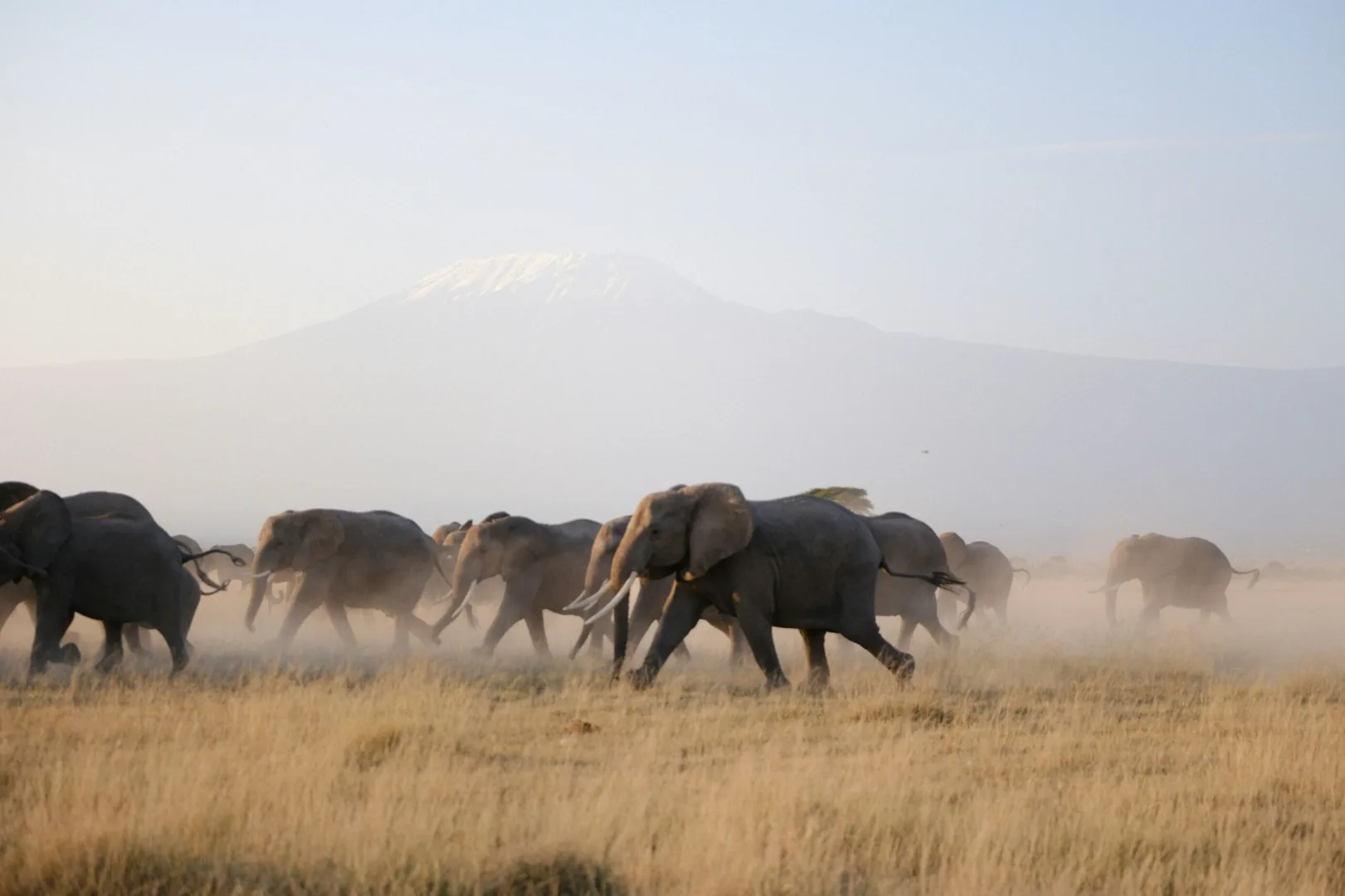
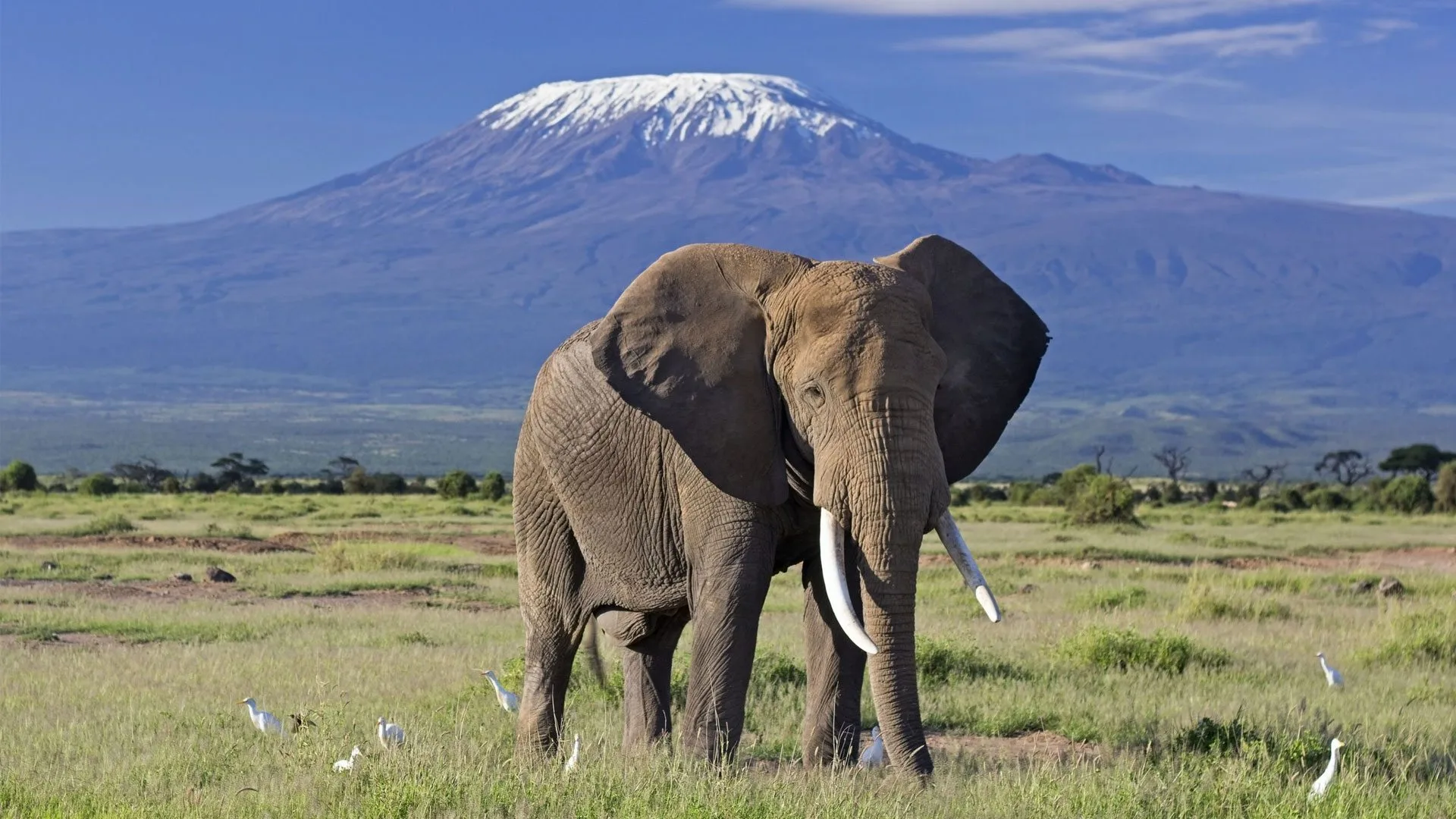
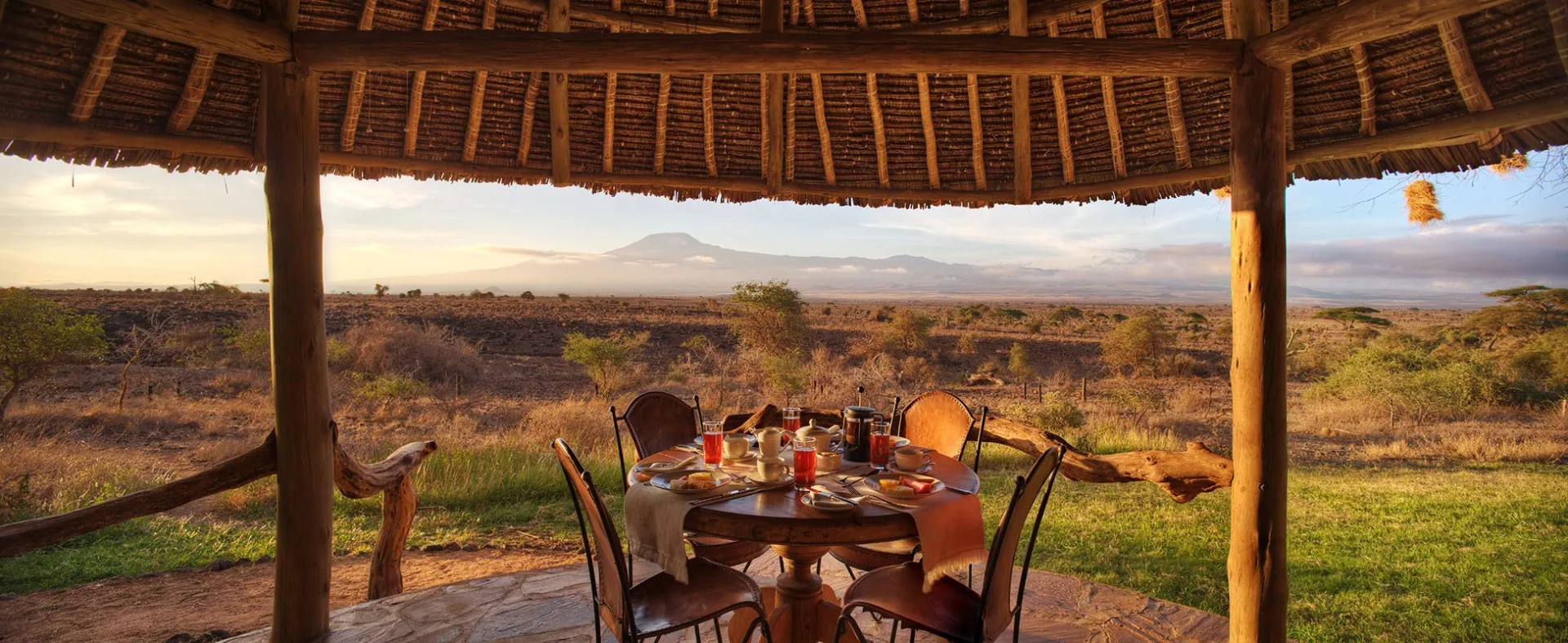
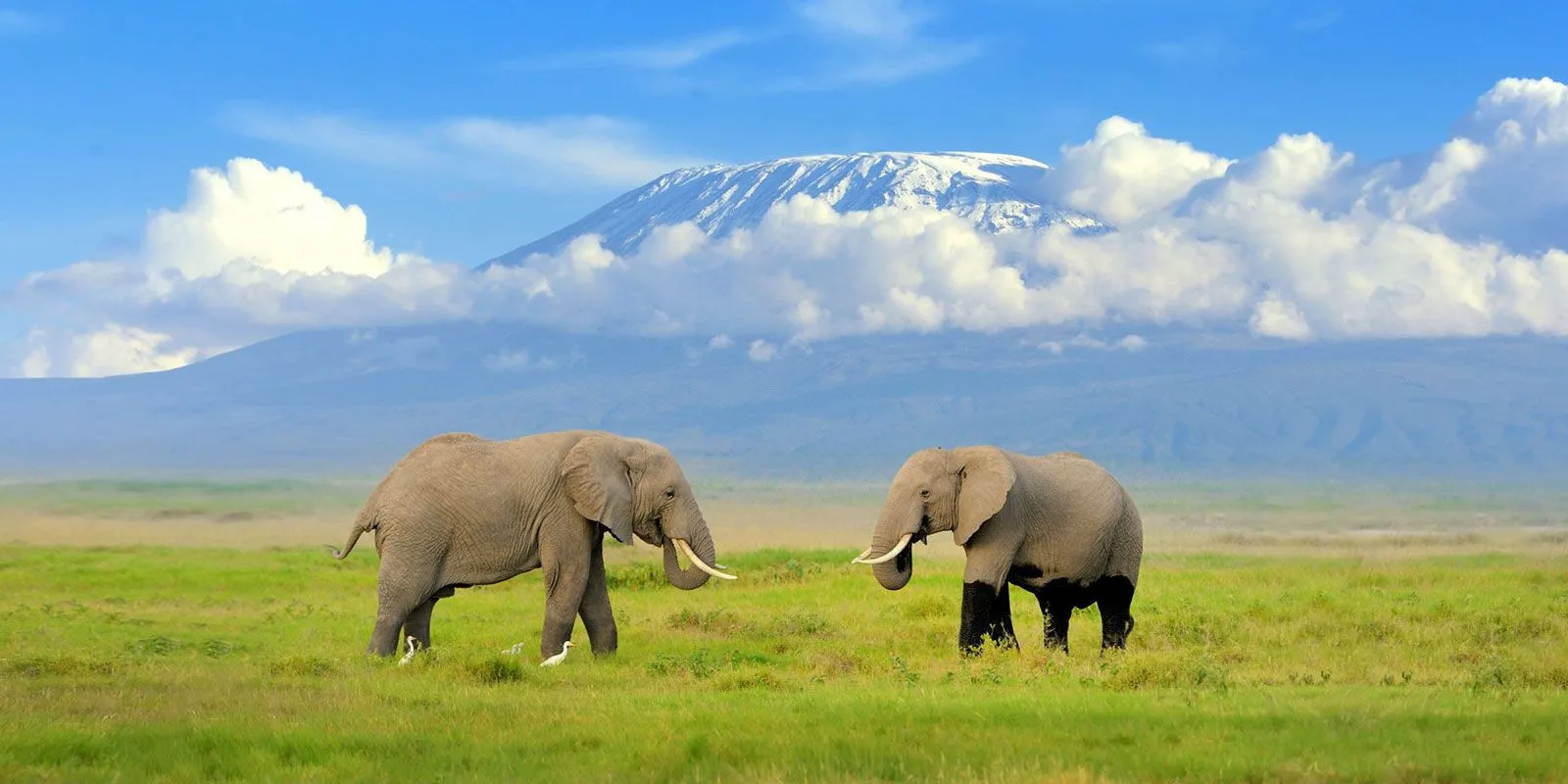
Amboseli is where Kenya safari photography was born. The park's open, sparsely vegetated landscape creates unobstructed views of elephant herds — some of the largest-tusked in Africa — against the backdrop of Mount Kilimanjaro, Africa's highest peak. As Kenya specialists, we consider Amboseli essential for first-time visitors and returning photographers alike. The park's elephant research project, running since 1972, has produced the longest-running study of wild elephants anywhere in the world, meaning the family groups here are exceptionally well-documented and their behaviour is fascinating to observe. Amboseli's relatively compact size (392 square kilometres) makes it one of the easiest Kenyan parks to navigate, with concentrated wildlife around the permanent swamps fed by Kilimanjaro's underground meltwater. Observation Hill provides a panoramic overview of the entire ecosystem, and the dried Lake Amboseli bed creates dramatic dust-devil landscapes during the dry season. The park pairs perfectly with Tsavo for a southern Kenya circuit, or with the Chyulu Hills conservancy for a complete Kilimanjaro-view experience.
What You'll See
1, 500+ elephants with some of Africa's largest tuskers, lion, cheetah, hippo, buffalo, 400+ bird species including pelicans and flamingos at the seasonal lake. No rhino (poached out in the 1980s).
Best Time to Visit
June-October for dry season: clearest Kilimanjaro views (early morning), concentrated wildlife at swamps, and dramatic dust-cloud elephant photos. January-February for green season with newborn elephants.
Getting There
4-hour drive from Nairobi via Namanga highway, or 45-minute charter flight to Amboseli airstrip. Pairs with Tsavo (3 hours east) for a combined southern Kenya circuit.
Areas to Explore
Observation Hill & Central Swamps
Observation Hill is a volcanic mound rising above Amboseli's central lake system, providing 360-degree panoramic views of the park, the swamps, and Kilimanjaro on clear mornings. The adjacent Enkongo Narok and Ol Tukai swamps are fed by underground rivers flowing from Kilimanjaro's glaciers and attract dense concentrations of elephants, hippos, and waterbirds year-round.
Lake Amboseli Basin
Lake Amboseli is a seasonal playa lake that fills during heavy rains, transforming into a vast shallow wetland attracting flamingos, pelicans, and migrant waders. During the dry season, its cracked, white alkaline surface creates a stark, otherworldly landscape. The lake bed provides unobstructed views of Kilimanjaro and is a favoured location for photographing large elephant herds silhouetted against the mountain.
Kimana Sanctuary
Kimana Sanctuary is a community-owned wildlife conservancy on the southeastern boundary of Amboseli, providing a critical wildlife corridor between Amboseli, Tsavo West, and Chyulu Hills national parks. Established with the Kimana community group ranch, it supports night game drives and guided bush walks not permitted inside the national park. Lion and leopard frequent the riverine forest along the Kimana River.