Overview
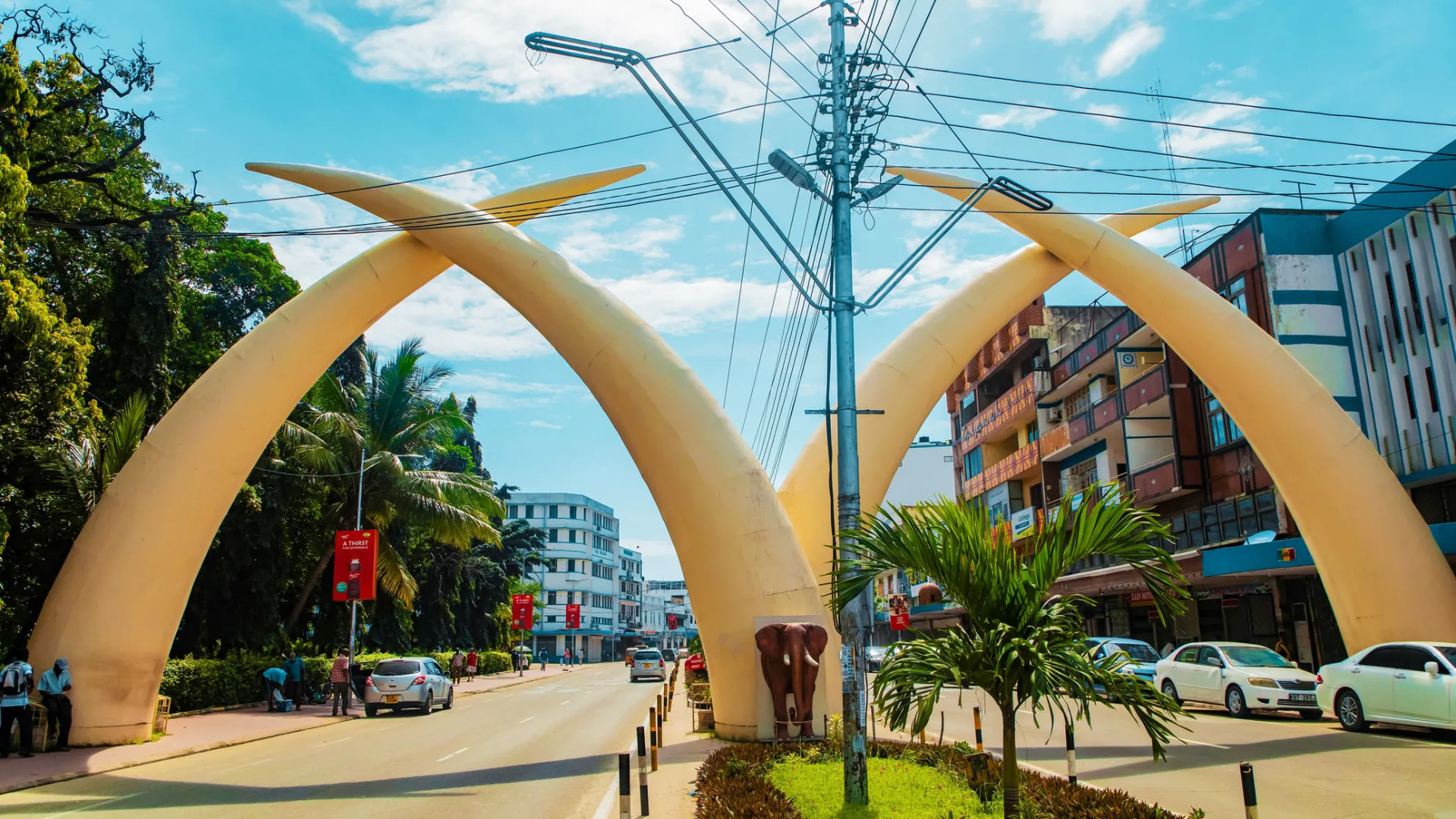
Mombasa is Kenya's second-largest city and the oldest port on the East African coast, its history stretching back over a thousand years to Arab, Persian, Portuguese, and Omani traders who shaped its layered Swahili culture. The Old Town — a maze of narrow streets, hand-carved doorways, and coral-stone buildings — earned partial UNESCO recognition and remains a living neighbourhood where spice shops, craft workshops, and mosques coexist with modern life. Fort Jesus, built by the Portuguese in 1593 and now a UNESCO World Heritage Site, guards the entrance to the old harbour and houses a museum tracing five centuries of coastal conflict. Mombasa Island sits between the mainland and the Indian Ocean, connected by the iconic Tusks arches on Moi Avenue — two pairs of crossed elephant tusks that have welcomed visitors since 1956. The city's beaches are split into North Coast (Nyali, Bamburi, Shanzu) and South Coast (Tiwi, Diani), each with a distinct character. Mombasa also serves as the gateway for rail travellers: the Madaraka Express SGR train connects to Nairobi in 5 hours, passing through Tsavo with views of wildlife from the window.
What You'll See
Mombasa itself is a cultural destination, not a wildlife one, but it serves as the hub for wildlife excursions: Haller Park (formerly Bamburi Nature Trail) on the North Coast rehabilitates wildlife including Rothschild's giraffe, hippos, and giant tortoises. Mombasa Marine National Park protects coral reefs and mangroves along the North Coast, accessible by glass-bottom boat from Nyali. Shimba Hills, Tsavo, and Taita Hills are all within day-trip range.
Best Time to Visit
December to March for the hottest, driest beach weather. July to October for comfortable temperatures and the least humidity. Cultural sites and Old Town are best explored year-round — early mornings before the heat builds. Avoid the heaviest rains in April-May, when some coastal operations scale back.
Getting There
Moi International Airport (MBA) receives direct flights from Nairobi (1 hour), Doha, and seasonal European charters. The Madaraka Express SGR train from Nairobi takes approximately 5 hours, departing from Mombasa Terminus on the mainland. Mombasa is also the eastern terminus of the Nairobi-Mombasa Highway (A109), approximately 485 km from the capital.
Areas to Explore
Fort Jesus & Old Town
Fort Jesus was constructed by the Portuguese in 1593-1596 to the design of Italian architect Giovanni Battista Cairati, and is a UNESCO World Heritage Site since 2011. The fort changed hands nine times between the Portuguese and Omani Arabs, each conquest leaving architectural layers visible today. The surrounding Old Town is a two-square-kilometre labyrinth of coral-stone houses with intricately carved Swahili doors, balconied upper storeys, and interior courtyards. Walking tours wind past the Mandhry Mosque (one of East Africa's oldest), the old slave market site, and curio shops selling Swahili brass lamps and carved coconut-shell handicrafts.
Nyali & North Coast Beaches
Nyali Beach runs along Mombasa's North Coast, a broad stretch of sand backed by large resort hotels, restaurants, and the Nyali Golf Club. The beach is more accessible and developed than Diani to the south, making it popular with families and those who prefer urban conveniences nearby. Haller Park — a rehabilitated quarry turned eco-park — is home to giraffe, hippos, crocodiles, and giant Aldabra tortoises. Mombasa Marine National Park's glass-bottom boats depart from the Nyali shoreline for reef tours.
Mombasa Cultural Experiences
Beyond Fort Jesus, Mombasa's cultural depth unfolds through its markets, food, and festivals. The Marikiti Market (Mackinnon Market) in the city centre has traded spices, tropical fruits, and fresh fish for over a century. Swahili cooking classes in Old Town teach visitors to prepare pilau, biryani, and coconut-based curries using centuries-old techniques. The annual Mombasa Carnival (November) fills the streets with Swahili music, ngoma drumming, and dance troupes from across the coast. For a quieter cultural experience, a dhow sunset cruise through the Kilindini Harbour reveals the working port that has driven Mombasa's economy for a millennium.