Overview
Meru National Park covers 870 square kilometres of rolling bushland, tall grass, riverine forest, and palm-lined streams on the eastern slopes below Mount Kenya. It is one of Kenya's most underrated parks — rich in wildlife, steeped in conservation history, and largely empty of other visitors. Meru gained international fame through Joy and George Adamson, who raised and released the lioness Elsa here in the 1950s — the story told in Born Free (1960), one of the most influential wildlife books ever published. After years of heavy poaching in the 1980s and 1990s, the Kenya Wildlife Service and the International Fund for Animal Welfare undertook a major rehabilitation starting in 2000, reintroducing white rhino, Grevy's zebra, and restocking elephant herds. Today, the Meru-Kora-Bisanadi complex covers over 4,000 square kilometres of connected wilderness. The park's 13 permanent rivers and numerous springs create a lush mosaic of habitats that supports a dense diversity of species — including some, like lesser kudu and Peter's gazelle, more easily seen here than in Kenya's better-known parks.
What You'll See
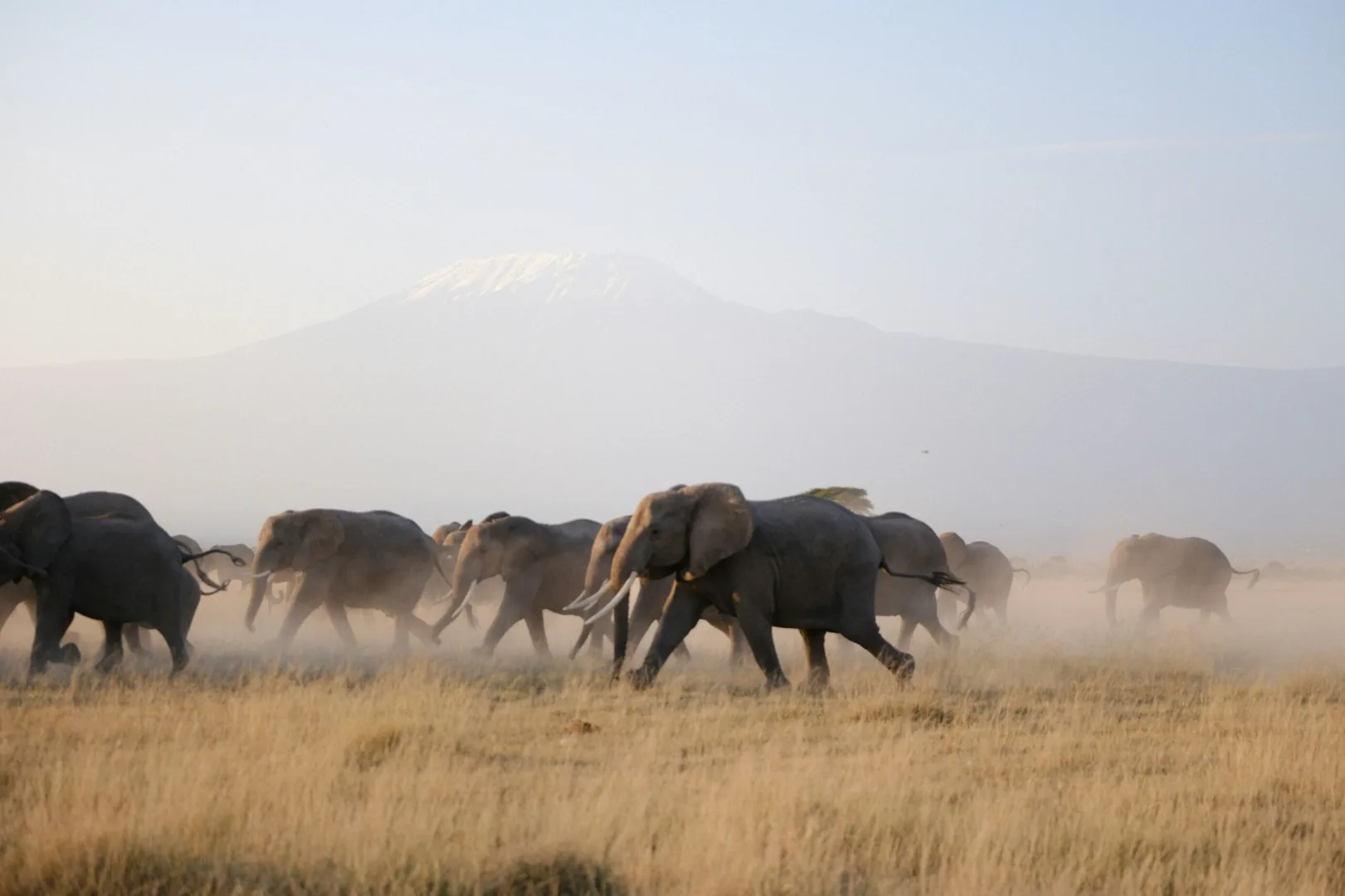
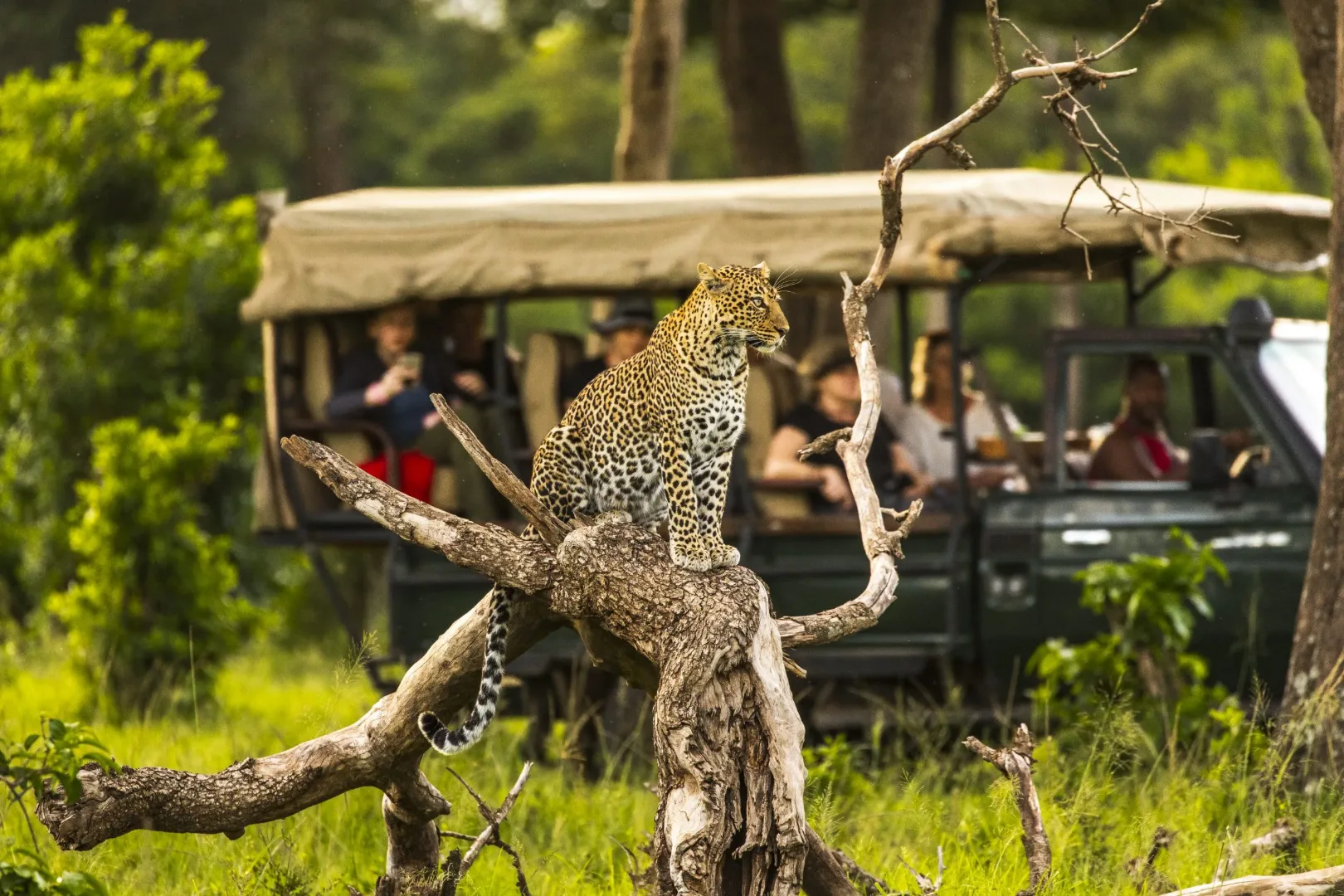
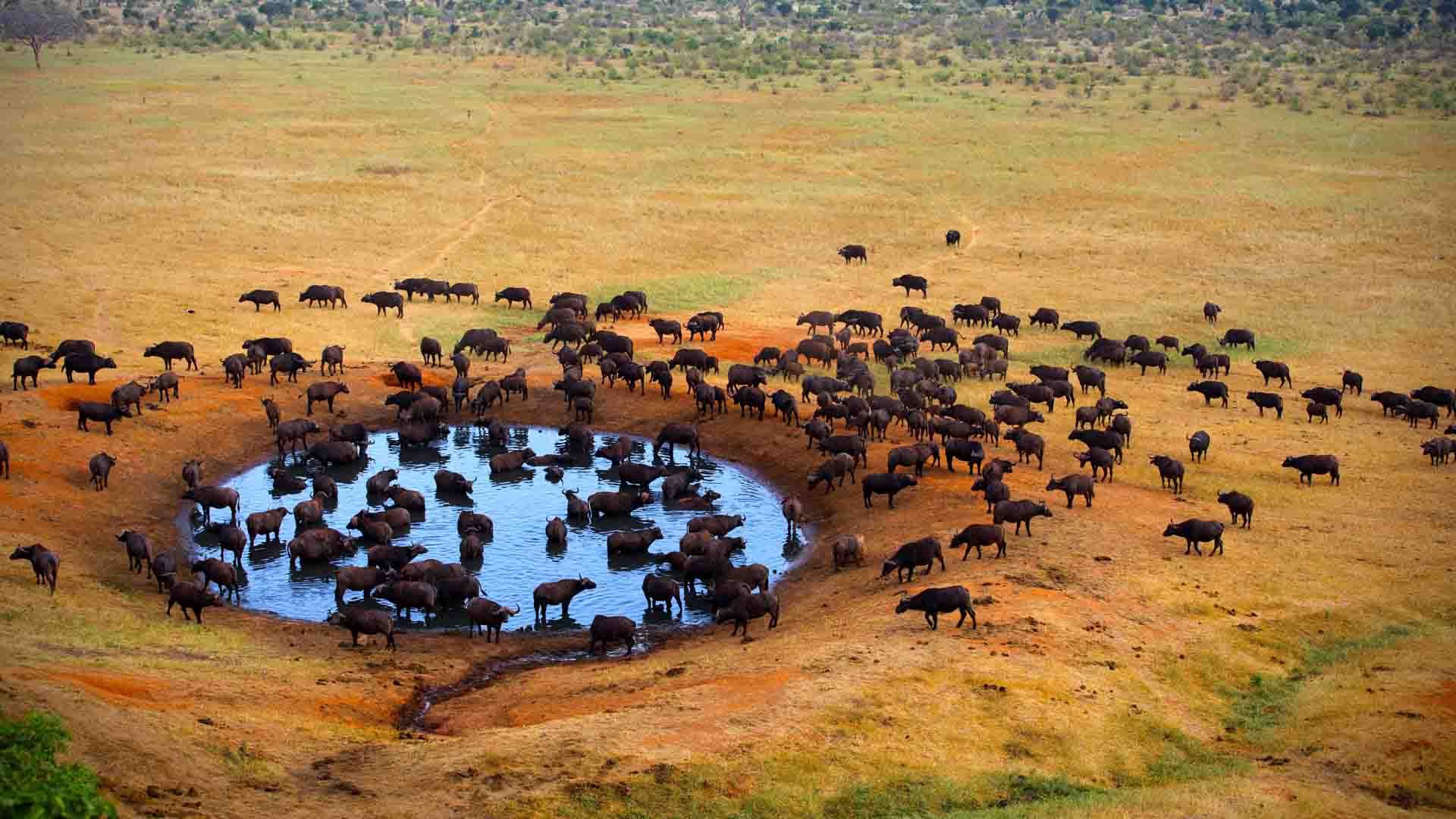
Elephant herds, lion, leopard, cheetah, buffalo, hippo, reticulated giraffe, Grevy's zebra (reintroduced), lesser kudu, Peter's gazelle, gerenuk, and over 427 bird species. The Rhino Sanctuary within the park protects approximately 90 white and black rhinos behind a solar-powered electric fence. Nile crocodile and hippo populate the Tana and Rojewero rivers.
Best Time to Visit
June to October dry season for the best game viewing, when tall grass is shorter and animals concentrate near rivers. December to March is also good. April-May and November can be wet, making some tracks impassable.
Getting There
Charter flights from Nairobi Wilson Airport to Meru's Kinna or Mulika airstrips take approximately 1 hour. By road, the park is 350 km northeast of Nairobi (5-6 hours via Embu). Most visitors enter through the Murera Gate on the southern boundary. Meru combines well with Mount Kenya (2 hours by road from Meru town) and Samburu (3-4 hours north).
Areas to Explore
Adamson's Falls & Tana River
The Tana River — Kenya's longest at 1,000 km — forms Meru's northern boundary, and Adamson's Falls marks one of its most dramatic stretches within the park. Named after George Adamson, the rapids and cascades here are surrounded by doum palm forest and attract hippo pods and large Nile crocodiles. The riverine forest along the Tana is excellent for birdwatching, with Pel's fishing owl, palm-nut vulture, and Peter's twinspot among the specialties. George and Joy Adamson's original campsite is nearby, now marked by a memorial.
Meru Rhino Sanctuary
The Meru Rhino Sanctuary is a fenced 48-square-kilometre area within the park, established in 2001 to provide a secure breeding nucleus for both white and black rhino. Starting with a handful of individuals, the sanctuary now protects approximately 90 rhinos — making it one of the most successful rhino recovery stories in East Africa. Armed KWS rangers patrol around the clock. Visitors can drive through the sanctuary on guided game drives, and sightings are frequent given the relatively small enclosed area.
Elsa's Kopje & Mugwango Hill
Mugwango Hill rises from Meru's bushland, offering sweeping views across the park toward Mount Kenya's peaks on clear days. The hilltop is the site of Elsa's Kopje — a luxury lodge named after the lioness whose story in Born Free put Meru on the world map. The surrounding area of rocky outcrops and tall grass is prime leopard habitat, and the open glades below the hill attract buffalo herds and reticulated giraffe. The lodge itself was built into the rock with minimal environmental footprint, each cottage commanding private views of the wilderness below.